

A DIFFERENT KIND OF RARITY
UNIQUE TO THE AMERICAN SOUTHWEST
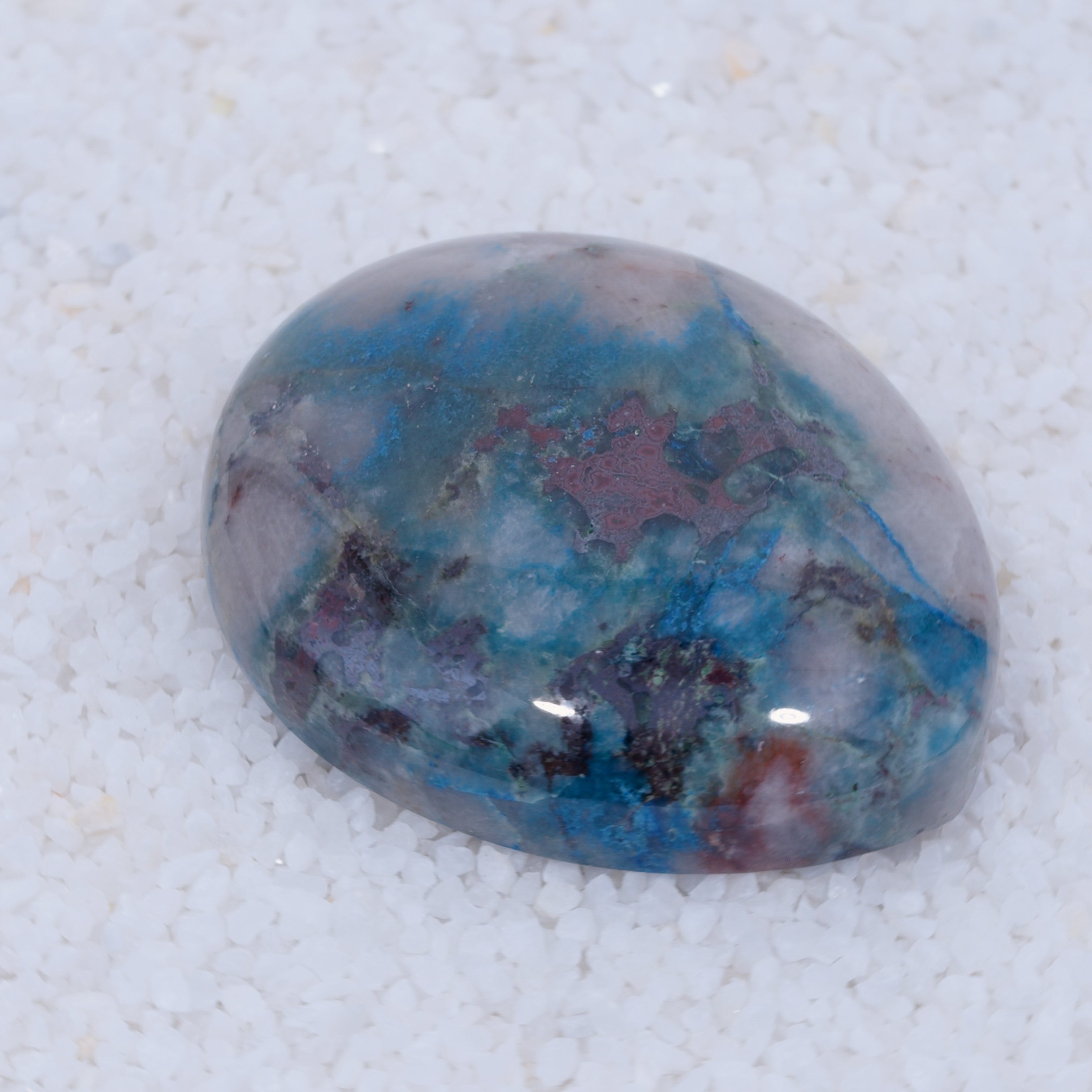
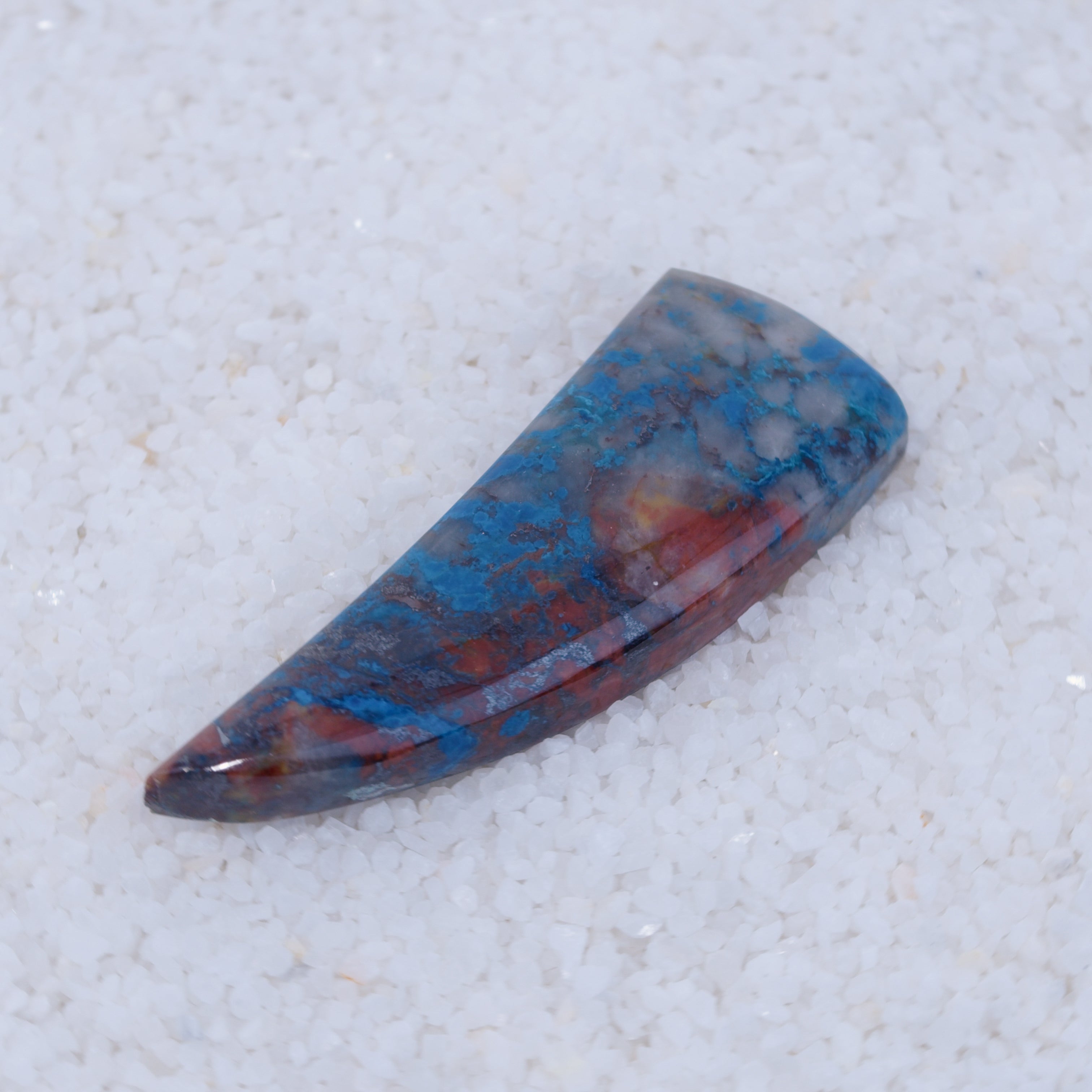
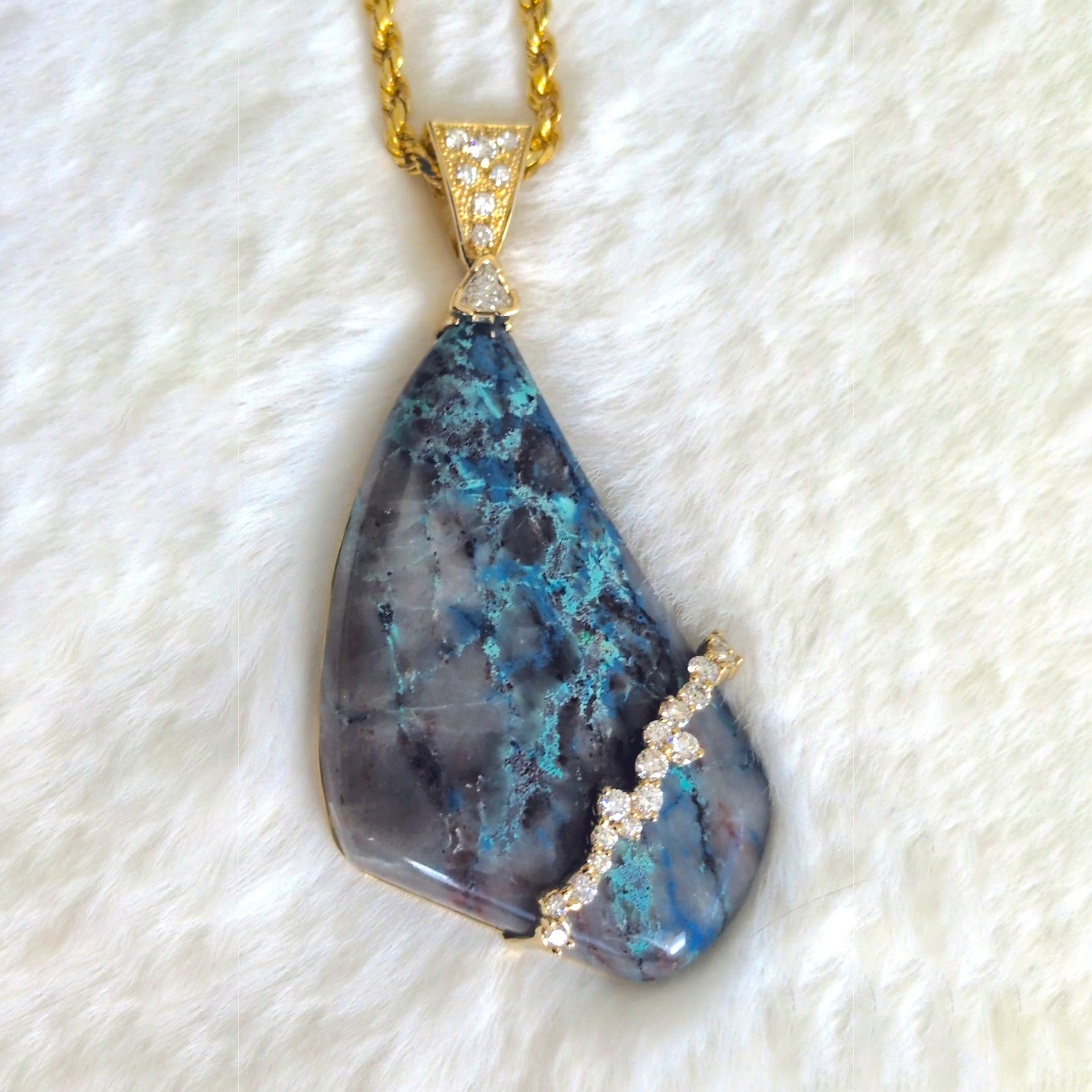
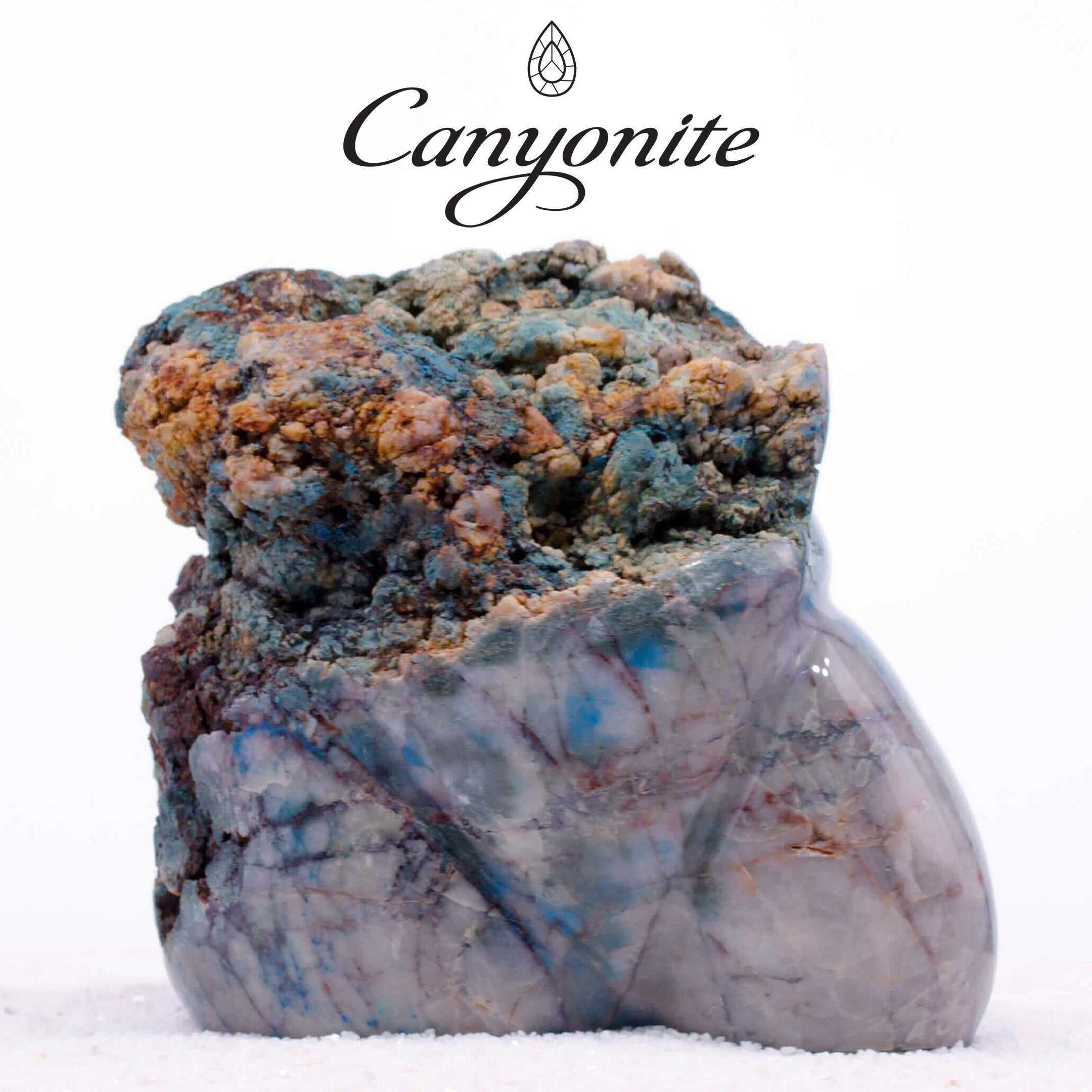
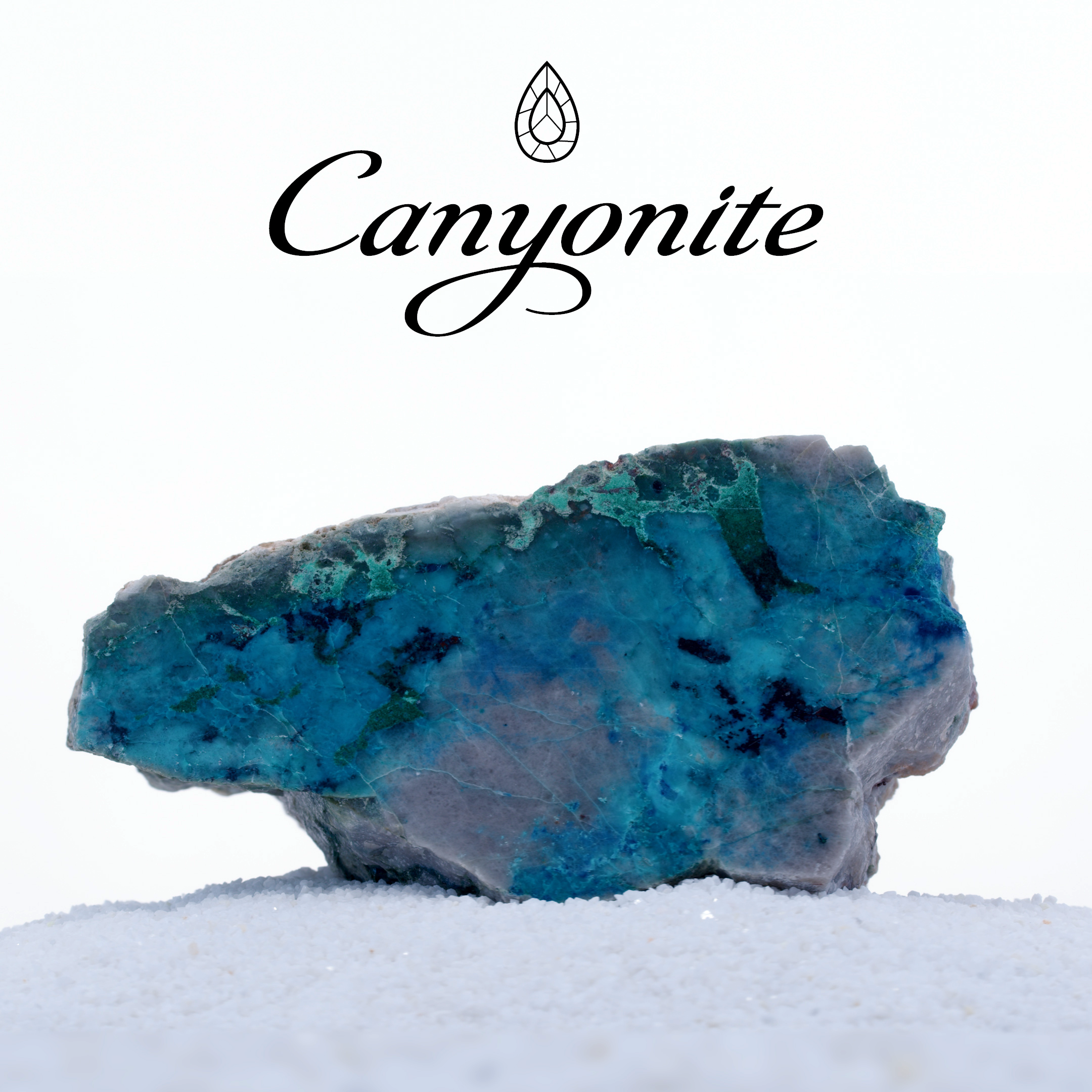
First documented in 2025, Canyonite is a rare Southern Arizona mineral occurrence featuring Raman-verified, ultra-rare Papagoite, Ajoite, and Djurleite within a striking, jewelry-grade, druzy-bearing silicate matrix.

Current Canyonite pricing reflects a limited introductory period.

* All Canyonite pieces are verified by Raman Spectroscopy Analysis and include a Quantitative Laboratory Analysis Provenance Report and Archival Record Registry Sheet.
“A beautiful and exceptionally rare material of unique geologic origin.”
Scott Schaefer - former director of Weis Earth Science Museum
THE MINERALOGY OF CANYONITE
A rare Southern Arizona copper-mineral assemblage, revealed mineral by mineral.

Mineral Composition & Rarity
Canyonite preserves multiple rare copper minerals within a gem-grade translucent chalcedony matrix, allowing the mineral growth to remain visible rather than hidden inside the stone. Every mineral species listed below has been confirmed by Raman spectroscopy.
As a result, each specimen and gemstone carries its own distinct mineral composition, internal structure, and visual identity.
Translucent Chalcedony Matrix
Ultra-Rare MatrixA naturally translucent silica base that preserves visible mineral growth, depth, and dimensionality rarely seen in copper-rich gemstone material.
Ajoite
Very Rare Copper SilicateA copper silicate hydroxide mineral associated with soft blue-green hues and intricate internal patterning within the chalcedony matrix.
Native Gold (Back Side)
Rare Native MetalA native metallic phase identified on the reverse side, adding notable mineralogical interest beyond the visible copper-bearing surface assemblage.
Papagoite
Extremely Rare Copper SilicateOne of the rarest copper silicates, appearing as vivid blue crystalline formations and contributing exceptional collector-level interest.
Dioptase
Rare Copper SilicateAn intensely colored copper silicate mineral that can contribute vivid green crystalline accents within copper-rich mineral assemblages.
Crystalline Copper
Uncommon Native CopperNative copper crystallization that adds metallic character and records reduced copper phases within the broader mineral assemblage.
Silicated Chrysocolla
Rare Copper SilicateBlue-green copper-bearing silica material that contributes vivid color variation, translucency, and layered geological texture.
Brochantite
Common Sulfate HydroxideA copper sulfate hydroxide mineral formed in oxidized copper environments, adding green crystalline texture and mineralogical diversity.
Chalcopyrite
Common Copper Iron SulfideA copper iron sulfide phase that records the broader copper-bearing chemistry associated with the deposit and adds mineralogical context to the assemblage.
Shattuckite
Rare Copper SilicateA copper silicate hydroxide mineral that contributes deep blue zones, saturation, and structural contrast against the lighter chalcedony matrix.
Rosasite
Uncommon Carbonate HydroxideA copper zinc carbonate hydroxide mineral with muted green to blue-green tones that further distinguishes each specimen’s natural composition.
Goethite (Back Side)
Common Iron Oxide-HydroxideAn iron oxide-hydroxide mineral identified on the reverse side, adding earthy contrast and evidence of additional oxidation-stage mineral development.
Azurite
Common Carbonate HydroxideA copper carbonate hydroxide mineral that contributes saturated blue zones alongside other copper-bearing minerals.
Malachite
Common Carbonate HydroxideA copper carbonate hydroxide mineral that may appear as green zones, veining, or accents within the broader copper-rich assemblage.
Cuprite
Common Copper OxideA copper oxide mineral that may appear as reddish to dark inclusions, adding depth, contrast, and evidence of varied oxidation chemistry within the assemblage.
Tenorite
Uncommon Copper OxideA dark copper oxide mineral that underscores the stone’s complex copper chemistry and contributes internal contrast.
Paramelaconite
Rare Copper OxideA copper oxide phase that contributes dark mineral contrast and reflects additional complexity in the oxidation history of the specimen.
Crystalline Djurleite
Rarely Identified Copper SulfideA copper sulfide phase, rarely identified as a distinct species without analysis, that adds another layer of mineralogical complexity.
A Naturally Unrepeatable Gemstone
Canyonite developed through fluids, temperature changes, and oxidations that allowed copper mineralization to be enclosed within silica. This process produces specimens with distinct internal structures and mineral distributions, making variation an essential feature rather than an exception.
The material is presented in its sovereign, pure natural state — untreated, unenhanced, and formed through geological processes. Mineral presence is interpreted at specimen scale using analytical and textural evidence.
Explore Canyonite
Continue into the science of Canyonite to learn how mineral phases such as papagoite, ajoite, shattuckite, chrysocolla, and other copper-bearing minerals are evaluated and documented. You can also learn more about Canyonite and its Southern Arizona origin, review Canyonite research, stories, and media, or explore available material below.
From Arizona’s copper-rich mountains to the microscopic worlds within each crystal, our blog shares the story of Earth’s rare artistry. Uncover the origins, science, and excitement behind Canyonite.
LEARN MORE ABOUT CANYONITE

Canyonite and the World’s Rarest Gemstones
Emerging from Arizona’s copper-bearing canyon landscapes, Canyonite Sky reveals vivid blues produced by rare copper minerals including papagoite, ajoite, and shattuckite preserved within a transluc...
Read more
Papagoite and Ajoite: Identification, Mislabeling, and Verification
Discover the truth about fake Papagoite and Ajoite. Learn how Raman and XRD testing reveal genuine examples. Canyonite—scientifically proven, not just claimed.
Read more
The Geometry of Crystal Formation
Formed through evolving chemistry, groundwater movement, and silica sealing, Canyonite preserves mineral growth in place — each piece carrying a geological story written over time.
Read more


Canyonite, Papagoite & Rare Copper Minerals: Frequently Asked Questions
Canyonite is a naturally occurring Southern Arizona silica-hosted mineral assemblage containing variable copper-bearing phases. Analytical work has identified rare minerals including Papagoite in select representative material, but not every Canyonite piece contains every mineral.
-
What is Canyonite?
Canyonite is a Southern Arizona silica-hosted mineral assemblage containing variable secondary copper minerals within chalcedony, druzy silica and related siliceous material. This naturally occurring assemblage is found in select Southern Arizona localities and can be fashioned into gemstones and mineral specimens. The silica host provides structural integrity and durability for lapidary applications. -
What is Papagoite?
Papagoite is an exceptionally rare blue copper-bearing silicate mineral with the chemical formula CaCuAlSi₂O₆(OH)₃. It was first described from Ajo, Arizona, and remains one of the rarest copper minerals known to science. For comprehensive information on Papagoite including its chemistry, structure, discovery, localities, formation, properties, Raman spectroscopy, identification and gemology, see our complete Papagoite mineral reference. -
Is Papagoite found in Canyonite?
Yes. Papagoite has been analytically identified in select representative Canyonite material from Southern Arizona. However, Canyonite is a heterogeneous mineral assemblage, and the presence of Papagoite should not be assumed in every piece. The assemblage varies in composition across specimens, and analytical confirmation is required to verify the presence of specific mineral phases. -
How do you know Papagoite is present?
Color alone is unreliable because Ajoite, Shattuckite, Chrysocolla-related material and other copper minerals can appear visually similar. Raman spectroscopy analyzes characteristic mineral vibrational signatures, providing definitive identification of mineral phases. This non-destructive analytical technique allows us to distinguish Papagoite from other blue copper minerals based on its unique molecular structure. Learn more about our analytical methods in our Canyonite mineral research. -
Is Canyonite the same as Papagoite?
No. Papagoite is a formal mineral species with a defined chemical formula and crystal structure. Canyonite is the broader Southern Arizona silica-hosted mineral assemblage that can contain Papagoite along with other copper-bearing minerals. Select Canyonite specimens contain analytically confirmed Papagoite, but the two terms are not interchangeable. Canyonite represents the host assemblage, while Papagoite is one of several possible mineral phases within it. -
What other minerals occur in Canyonite?
Canyonite can contain Papagoite, Ajoite, Shattuckite, Chrysocolla-related material, Brochantite and Djurleite, among other secondary copper minerals hosted in chalcedony and druzy silica. The specific mineral assemblage varies by specimen and locality. Not every specimen contains every mineral. The heterogeneous nature of Canyonite means that each piece represents a unique combination of mineral phases formed under specific geological conditions. -
What is the difference between Papagoite, Ajoite, Shattuckite and Chrysocolla?
These are distinct mineral species with different chemical formulas and crystal structures. They can overlap visually in blue, turquoise and green colors, making visual identification unreliable. Color alone is not definitive identification. Analytical techniques such as Raman spectroscopy are required to distinguish between these copper-bearing minerals. Each has unique vibrational signatures that allow for accurate identification. Learn more about Papagoite and its distinguishing characteristics. -
Can Canyonite be cut into gemstones and jewelry?
Yes. Suitable naturally silicified Canyonite can be polished into cabochons, freeforms, matched pairs and jewelry. The silica host contributes to durability and workability for lapidary applications. However, it is important to understand that a finished gemstone represents the entire mineral assemblage, not pure Papagoite or any single mineral phase. Explore our selection of Canyonite gemstones to see examples of finished material. -
Is Canyonite stabilized or treated?
Canyonite sold by Canyonite.com is presented as natural, untreated and unstabilized. We do not use resin or polymer stabilization to create structural integrity. The natural silica host provides sufficient durability for lapidary work without artificial enhancement. This commitment to natural material ensures that each piece represents the authentic geological formation as it occurs in nature. -
Where can I learn more about Papagoite?
Visit our comprehensive Papagoite reference covering chemistry, structure, discovery, localities, formation, properties, Raman spectroscopy, identification and gemology. This resource provides detailed scientific information about this exceptionally rare copper-bearing silicate mineral, including analytical methods, geological context and distinguishing characteristics that separate Papagoite from other blue copper minerals.

Stay up to date with our latest releases by signing up for our newsletter.
Web Design by Coalesce Marketing & Design, Inc.