

Discovering Canyonite
The Visible Record
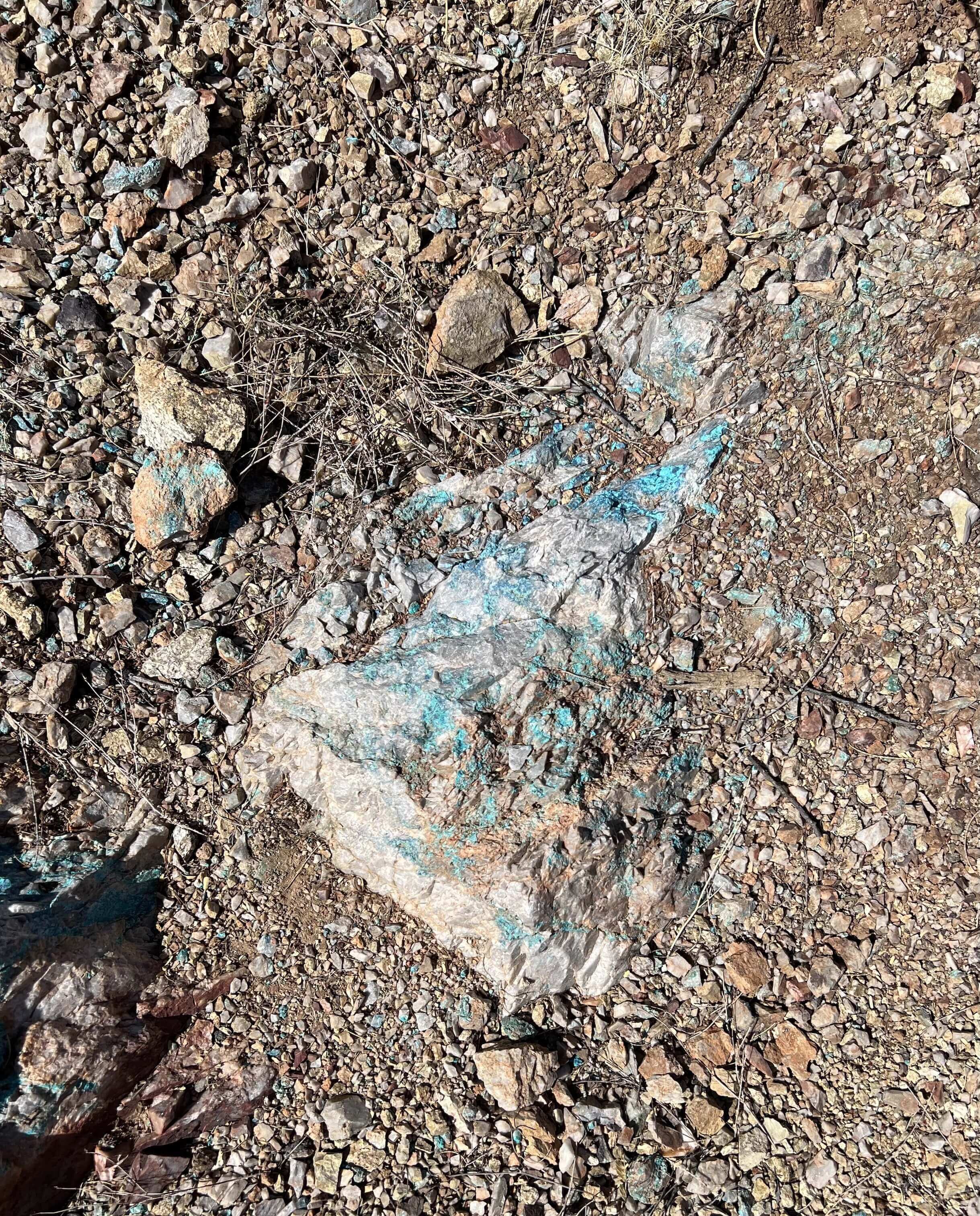
Imagine...
You're moving through the rugged landscapes of southern Arizona — sunlight reflecting off weathered rock, dry air carrying the scent of desert vegetation, and mineralized outcrops revealing subtle traces of copper-rich history. Among these textures, occasional flashes of color appear: blues, teals, and greens emerging from pale silica and fractured stone.
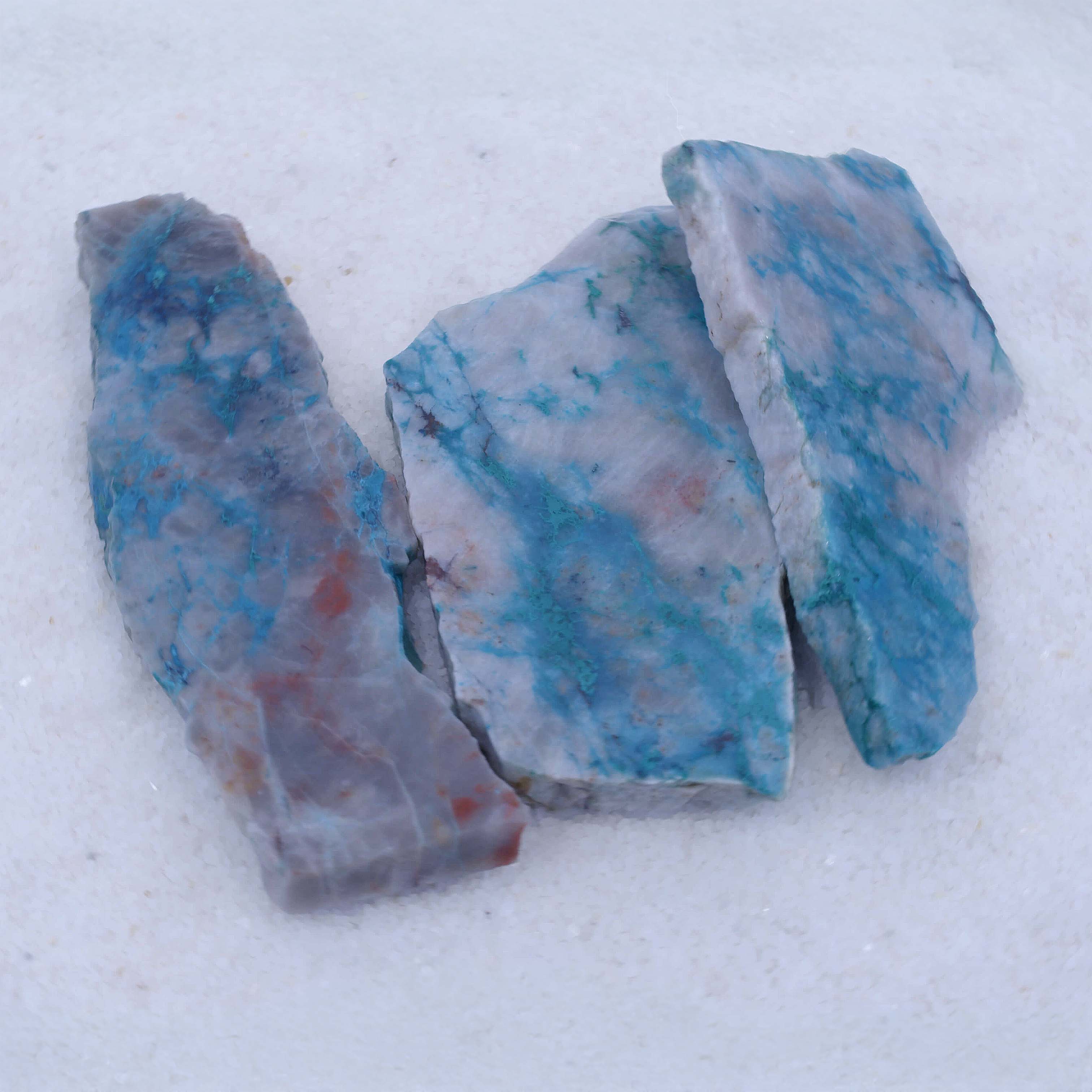
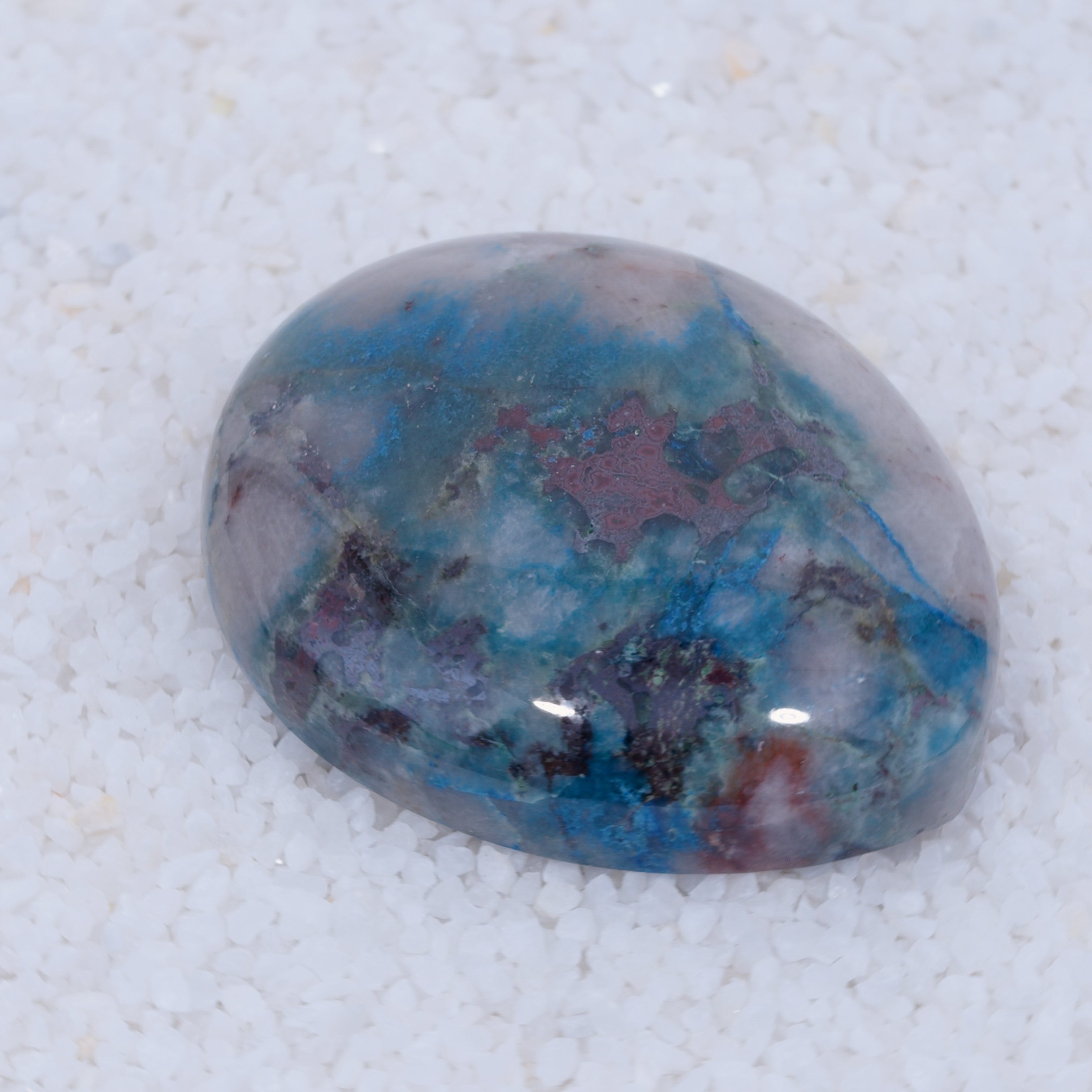
Closer inspection reveals something unusual. Rather than surface coatings, the color exists within translucent chalcedony itself — mineral textures suspended in silica, preserved as though the formation process paused mid-development. Radiating structures, delicate crystal faces, and layered mineral growth become visible beneath the surface, offering a glimpse into geological processes normally hidden at microscopic scale.
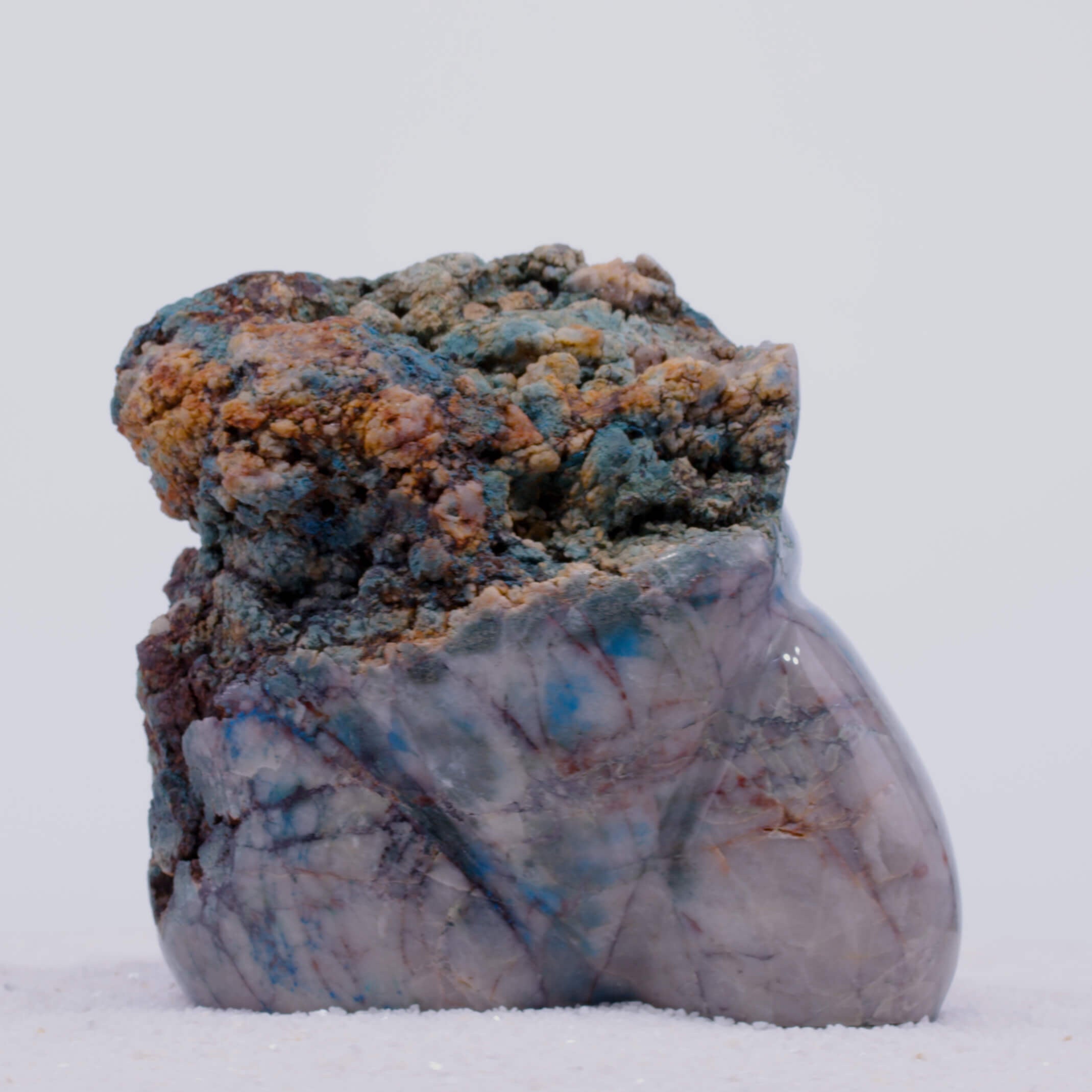
Canyonite represents this encounter with preserved mineral formation. Shaped through cycles of groundwater movement, copper remobilization, and silica deposition, the material records oxidation-zone processes unfolding over extended periods of time. Each specimen reflects variations in mineral distribution, texture, and enclosure, capturing a distinct moment within that sequence.
What makes Canyonite compelling is not a single event of creation, but the visibility of process — mineral growth, enclosure, and preservation expressed within a gemstone-scale framework. The experience feels less like discovering an object and more like recognizing a geological record made visible, where desert environments, chemistry, and time converge in a form that invites both scientific study and aesthetic appreciation.stumbling across minerals and more like uncovering a desert secret—one that carries with it both scientific intrigue and the allure of something never-before-seen in the gem world.
The Story of Canyonite
Canyonite emerged from exploration within the canyon landscapes of southern Arizona, where copper-rich geology, silica deposition, and time intersect to produce unusual mineral relationships. What began as careful observation evolved into an effort to document and responsibly share material that preserves visible records of mineral formation.
Rather than representing a single moment of discovery, Canyonite reflects process. Secondary copper minerals formed within evolving oxidation-zone environments and were gradually enclosed by silica, allowing internal structures normally hidden within rock to remain visible at gemstone scale.
Our work is guided by stewardship. Collection is limited and performed by hand, with emphasis on documentation as much as preservation. The name Canyonite acknowledges landscape rather than ownership — a reference to the canyon environments that host these formations and a way to describe a material that expresses continuity: landscape shaping mineral, mineral preserving record, and record inviting closer attention.
About Our Sourcing
— Ethics rooted in the land
Every Canyonite specimen is collected with an emphasis on minimal disturbance and long-term stewardship of the landscape in which it forms. Material is sourced from copper-bearing environments in southern Arizona through small-scale, hand-based methods that prioritize observation, selectivity, and preservation of surrounding geology.
Collection avoids heavy machinery, blasting, and industrial-scale extraction. Instead, specimens are located, carefully removed using simple tools, and documented in context where possible. After material is gathered, disturbed areas are stabilized and supported through reclamation practices that may include reseeding with native vegetation and maintaining natural drainage and wildlife movement patterns.
Our approach is guided by three principles:
Ethical Collection
Specimens are gathered selectively using hand methods that limit unnecessary disturbance and emphasize documentation alongside acquisition.
Environmental Stewardship
Collection sites are monitored and stabilized, with efforts focused on restoring surface conditions, supporting native plant regrowth, and preserving the broader ecological character of the desert environment.
Cultural Respect
The name Canyonite reflects landscape rather than ownership. It was chosen to acknowledge canyon environments while avoiding terminology historically applied without cultural understanding, recognizing the region’s Indigenous history and the importance of respectful language.
Canyonite represents a commitment to responsible engagement with natural materials — where geological interest, aesthetic appreciation, and environmental awareness remain closely connected.
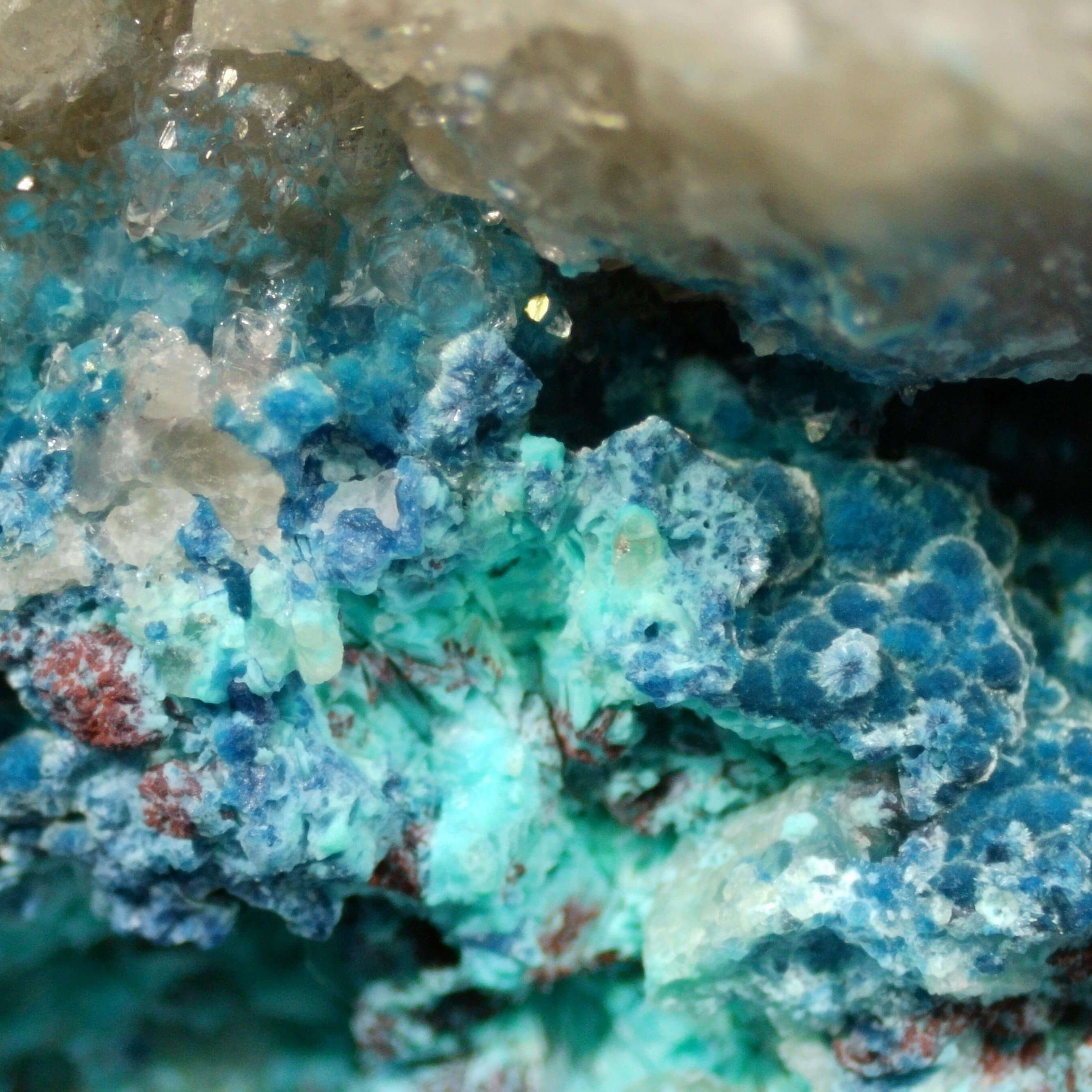
Authenticity
In a landscape where materials can be replicated and assembled, Canyonite reflects the complexity of natural formation. Each specimen preserves mineral relationships created through groundwater movement, chemical change, and silica deposition over extended periods of time — processes that cannot be engineered into uniform repetition.
Variation between pieces is expected and meaningful. Differences in color, texture, and mineral distribution reflect changing environmental conditions during formation, providing observable indicators of natural origin rather than manufactured consistency.
Canyonite’s value lies in this preserved record. The material reveals how simple geological processes — mineral growth, enclosure, and stabilization — can generate structure, pattern, and depth that feel both precise and organic. Authenticity therefore emerges not from perfection, but from the visible history carried within the stone.
Shop the collection


Stay up to date with our latest releases by signing up for our newsletter.
Web Design by Coalesce Marketing & Design, Inc.